News
White Paper
Why Enterprise AI Fails at Scale
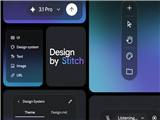
Google has unveiled a major update to Stitch, turning the platform into an AI-native software design canvas. The updated tool will allow users to create, iterate and collaborate on high-fidelity UI designs using natural language.
The update introduces "vibe designing," which allows users to describe business objectives or desired user experiences rather than starting with wireframes. According to Google, the updates will accelerate the path from concept to working prototype.
"AI can be a creativity multiplier, helping people explore many ideas quickly."
- Josh Woodward
VP, Google Labs
Stitch's update packages several distinct AI-powered capabilities into a single design environment.
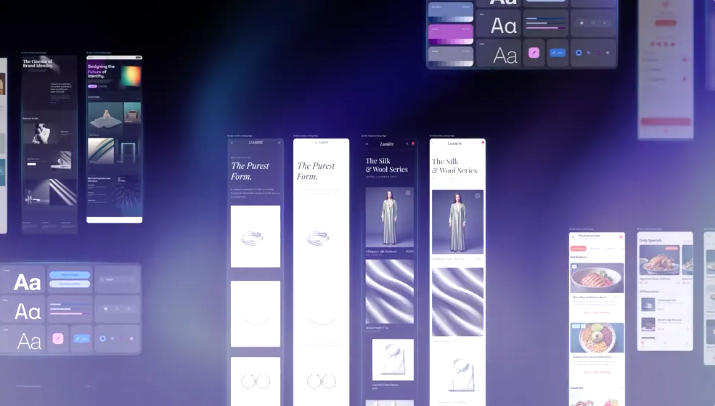
Here's what each feature does and why it matters for design and development teams:
| Feature | How It Works |
|---|---|
| Infinite Canvas | The AI-native canvas allow users to bring together ideas in images, text or code |
| Design Agent | An AI agent that can reason across the a project’s entire evolution |
| Agent Manager | An agent that tracks progress and helps users work on multiple ideas simultaneously |
| DESIGN.md | An agent-friendly markdown file that allows you to export your design rules to or from other coding tools |
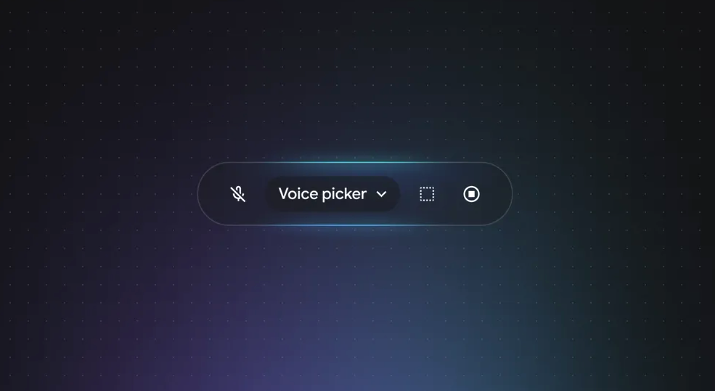
| Voice Input | Voice capabilities where users can speak to canvas for real-time critiques and updates |
| Interactive Prototyping | Transforms static designs into clickable prototypes instantly |
| MCP server and SDK | Enables integration with external tools and workflows |
Vibe coding lets anyone create applications through conversation, transforming enterprise UI design from months-long projects into real-time prototyping sessions.
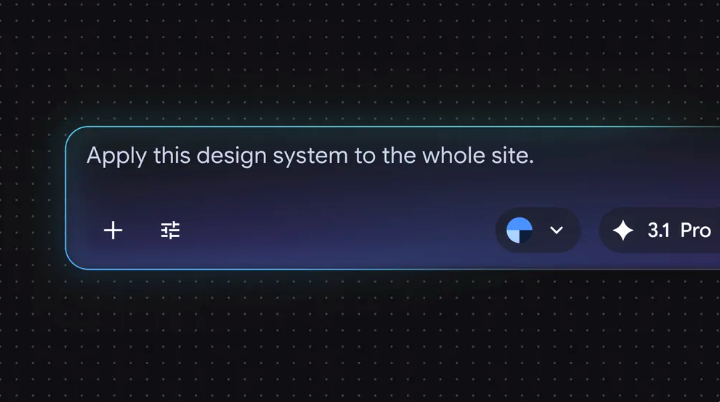
Instead of drafting detailed specifications, users describe their intent — "Create a case intake form" or "Build a dashboard showing onboarding progress by department" — and the system generates a working application complete with layout, workflow and data connections.
This approach combines large language models with enterprise platforms, fundamentally changing how teams move from concept to outcome.
Modern platforms allow developers and non-engineers to supervise multiple AI agents working across the full software lifecycle, from design through deployment and maintenance. The Model Context Protocol provides foundational standardization for how AI applications connect to external tools and data sources.
Organizations integrating AI agents into workflows report faster response times, reduced manual errors and improved productivity.
One UX design lead at a global enterprise services company described the impact: "We've done this live in team meetings — people throw out an idea, and we just build it in front of them. What used to take months now happens instantly."
While vibe coding accelerates development, it also amplifies risk. A pair of engineers can now generate as much code as an entire team, making scale a potential liability without proper oversight.
Key governance requirements include:
Platforms like Builder.io are addressing fragmentation by connecting product, design and code workflows. These tools produce software that's further along before requiring developer intervention, allowing business users to prototype solutions directly.
Michelle Hawley is an experienced journalist who specializes in reporting on the impact of technology on society. As editorial director at Simpler Media Group, she oversees the day-to-day operations of VKTR, covering the world of enterprise AI and managing a network of contributing writers. She's also the host of CMSWire's CMO Circle and co-host of CMSWire's CX Decoded. With an MFA in creative writing and background in both news and marketing, she offers unique insights on the topics of tech disruption, corporate responsibility, changing AI legislation and more. She currently resides in Pennsylvania with her husband and two dogs. Connect with Michelle Hawley: 
