Editorial
White Paper
Why Enterprise AI Fails at Scale

In 2025, the future of medicine stopped being a promise and became a reality.
For decades, we’ve talked about the coming revolution. We wrote papers, held conferences and made bold predictions. In 2025, we stopped predicting and started delivering. Across every domain of healthcare, we witnessed breakthroughs so profound they felt like science fiction.
But these were not just technological miracles. They were human ones.
For me, the story of 2025 is not about the triumph of the machine, but about its power to release the very best in us. It was a year of awakening, where the convergence of AI and human ingenuity gave us the tools to build the healthcare system we’ve always dreamed of. The question is no longer can we? It is will we?
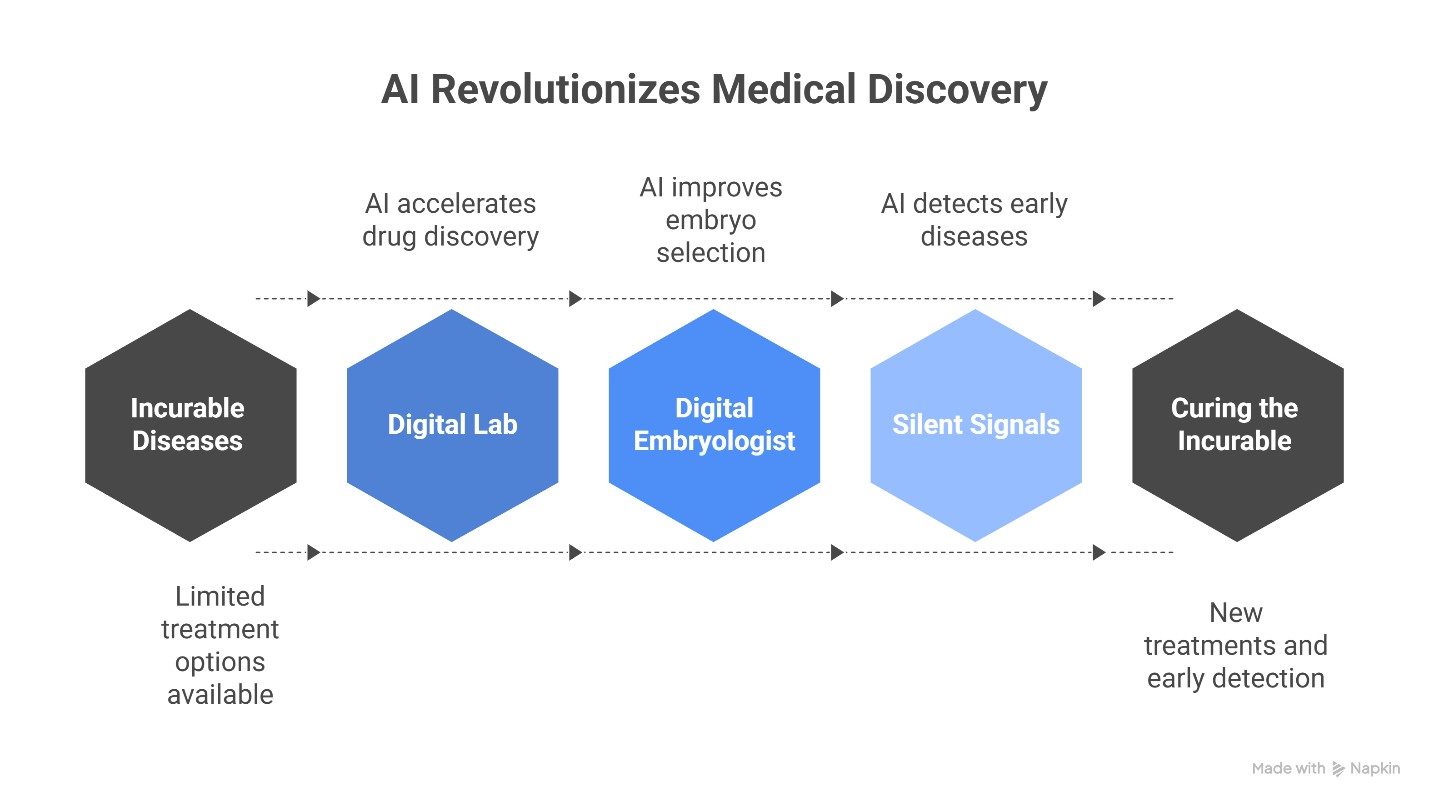
This was the year we began to cure the incurable. The Digital Lab moved from theory to practice, with AI platforms like Insilico Medicine’s bringing novel, AI-discovered drugs into the final stages of human trials. We didn’t just accelerate discovery; we reinvented its very nature, designing molecules with a purpose and precision that was once unimaginable.
This creative power touched the most intimate corners of human life. The Digital Embryologist offered new hope to families, using AI to see patterns of life that were invisible to the human eye. We saw the magic of Silent Signals, where AI gave us the gift of foresight, detecting the whisper of neurological disease years before it could roar. As I’ve said before, the speed of discovery has now broken the old rules of expertise — my PhD took years. but now AI can do parts of my job in hours.
This is not a threat; it is a liberation.
Related Article: The Tyranny of Geography: How AI Can Abolish Healthcare's Deadliest Border
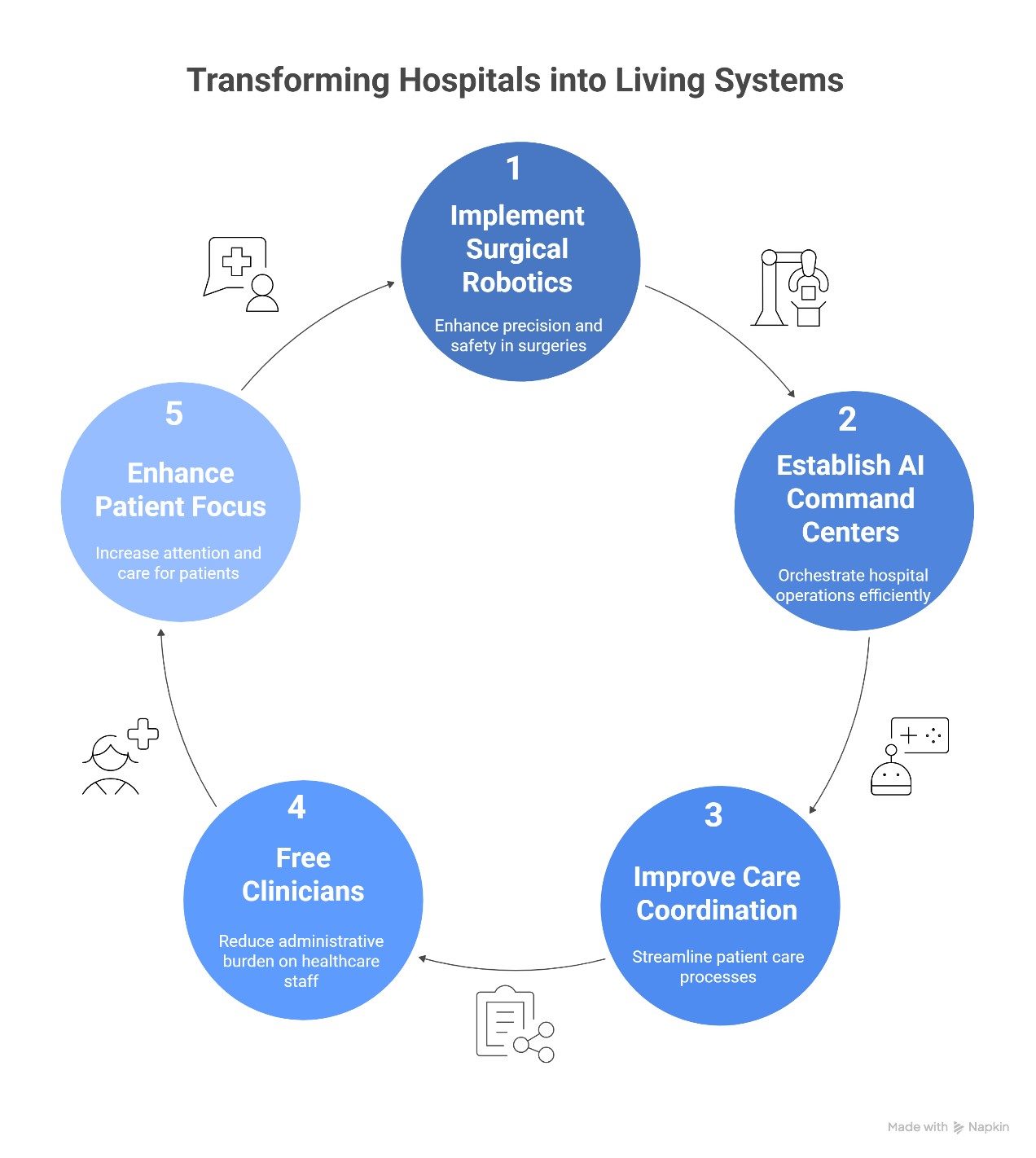
For too long, the hospital has been a rigid factory. In 2025, we began to transform it into a living, breathing organism. The New Age of Medical Hardware saw surgical robotics achieve new levels of precision, turning complex operations into safer, less invasive procedures.
But the most profound shift was the creation of a central nervous system for care. AI-Powered Command Centers, like those at Johns Hopkins, began to orchestrate the complex dance of hospital operations with grace and intelligence. This isn't just about efficiency; it's about compassion. By eliminating logistical chaos, these systems liberate our clinicians from the tyranny of administrivia, freeing them to focus on the patient in the bed, not the bottleneck in the hallway. This is the human-centric efficiency I've championed for years, and as I’ve argued in "Beyond Efficiency," it is the only kind that matters.
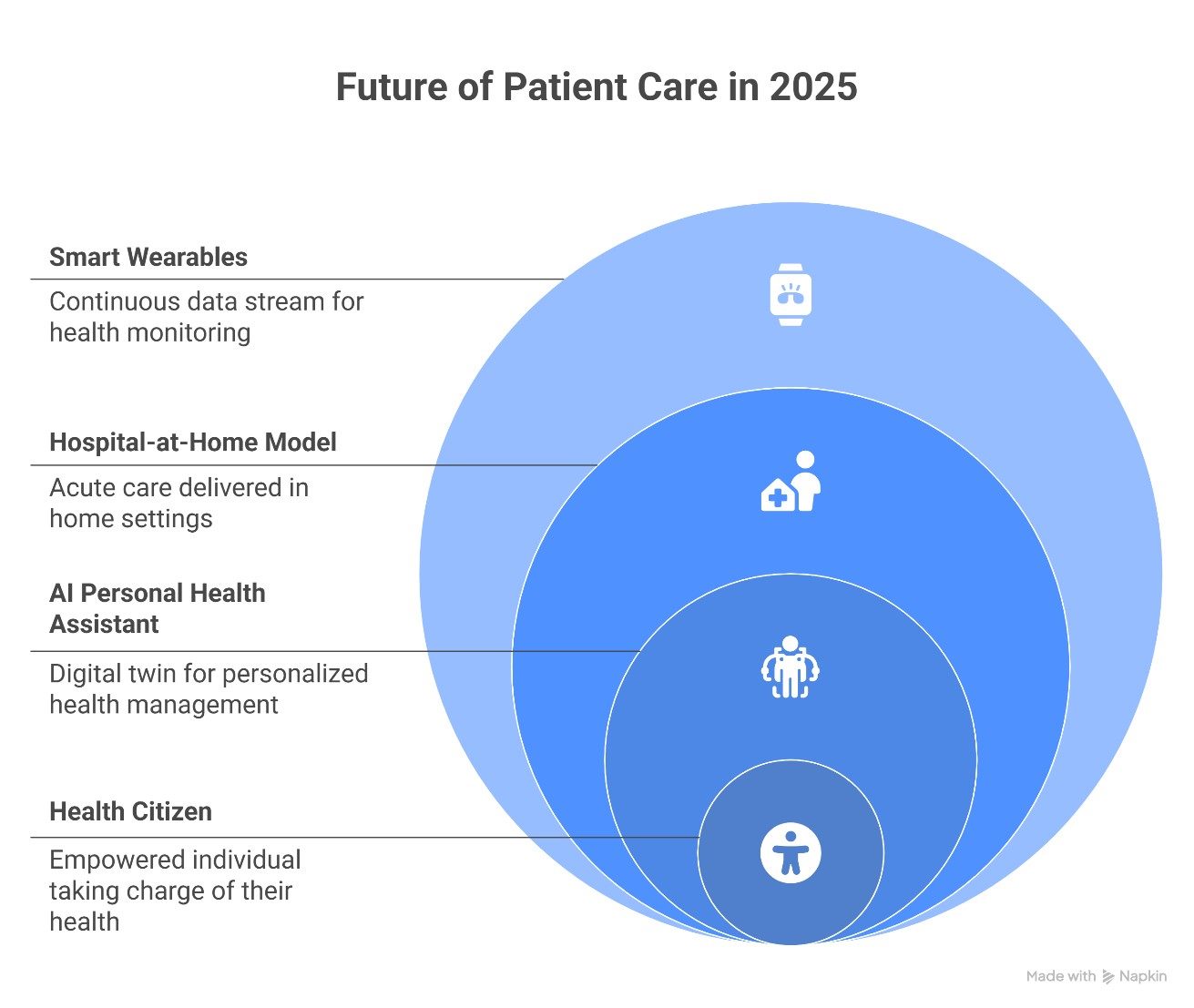
The age of the passive patient is over. 2025 signaled the arrival of the "health citizen," armed with the tools to become the architect of their own well-being.
The continuous data stream from Smart Wearables transformed the annual check-up into a constant, collaborative conversation between doctor and patient. The "hospital-at-home" model blossomed, proving that acute care could be delivered with more humanity and better outcomes in the comfort of a person's home, especially in US rural areas. And the vision of the AI Personal Health Assistant took a giant leap forward. The concept of a "digital twin," a living model of your own biology that helps you prevent illness and optimize for longevity, is no longer a dream. It is the new frontier of personal medicine.
Even in the delicate realm of AI and the Mind, we saw progress tempered with wisdom, as new tools offered support and insight while sparking a vital, necessary dialogue about ethics and the sanctity of the human spirit.
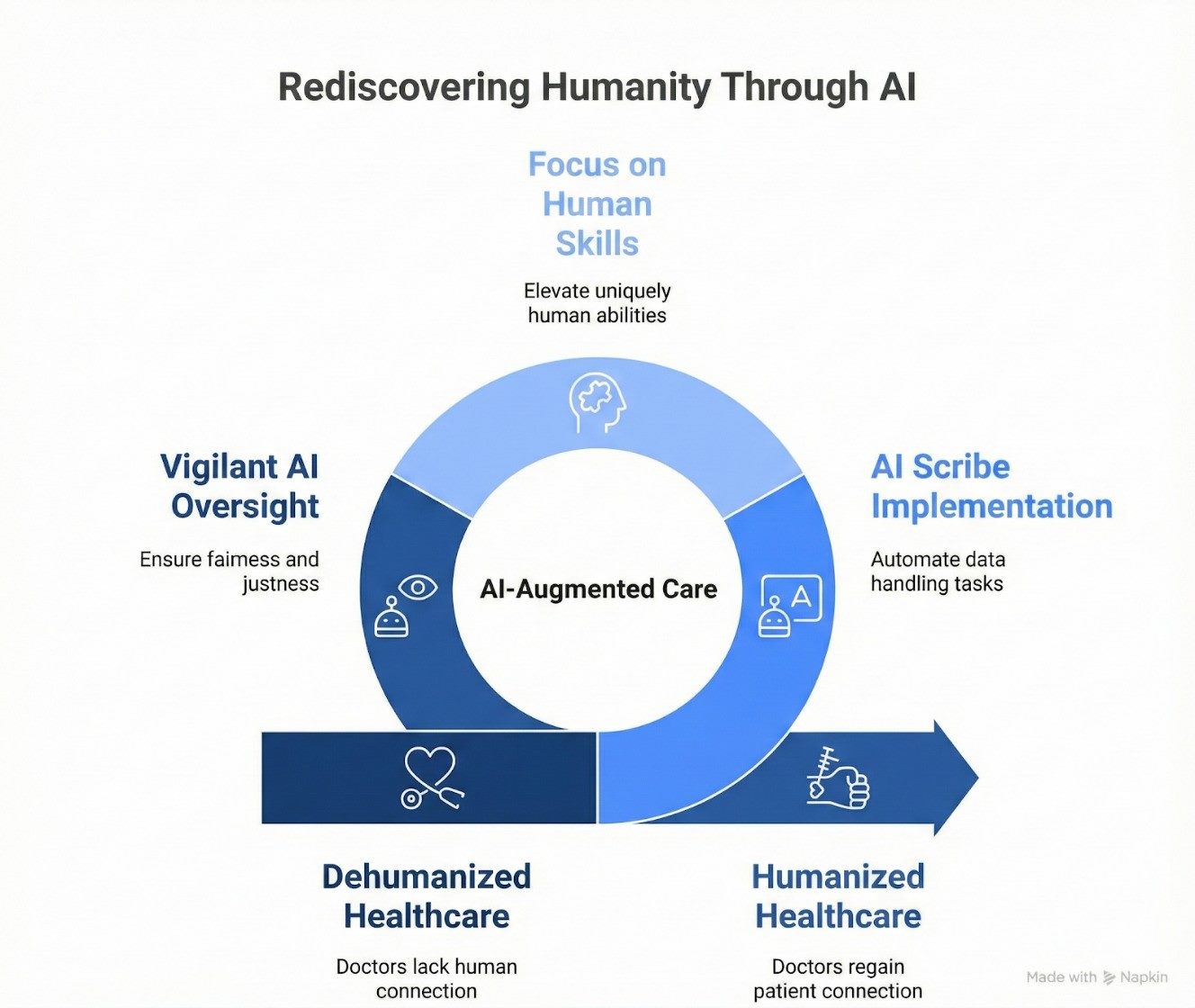
Perhaps the most profound story of 2025 was this: as the machines got smarter, we rediscovered what it means to be human.
We saw AI Tools for the Next Generation of doctors, not to replace their judgment, but to augment it. The real challenge is not about automation, but as I’ve asked before, about "The Human Advantage," how we elevate our uniquely human skills.
The answer came from clinicians like Dr. Emily Carter, who told me her AI scribe didn't just save her time; it "gave her back her patient and time with her family." By handling the data, the AI liberated her to handle the fear, the hope, the human connection. This is the beautiful symbiosis we must build. It requires us to be vigilant about the Hidden Dangers of AI, not to fear the technology, but to fill it with our highest values, ensuring the algorithms we build are fair, just, and serve all of humanity.
Related Article: Your Science Fair Is Over. It's Time to Build the AI Factory
2025 was a year of breathtaking creation. We built tools of astonishing power and unlocked capabilities that were once the domain of gods. We have proven that the future of medicine is limitless.
The technology is no longer the bottleneck. We are.
The great work of our time is not to invent the next algorithm, but to architect the new organizations, the new partnerships and the new leadership models worthy of these miracles. The greatest act of creation awaits us: building a system of health that is as compassionate, creative and resilient as the human spirit itself.
The future didn't just arrive in 2025. It invited us to build it. Let's get to work.
 Learn how you can join our contributor community.
Dr. David Priede, Ph. D., is the director of operations, advanced technologies and research at Biolife Health Center and is dedicated to catalyzing progress and fostering healthcare innovation. Connect with David Priede: 