Editorial
White Paper
Why Enterprise AI Fails at Scale

When considering the dangers of organized retail crime (ORC), a party of bad actors blitzing a store to smash and grab items might come to mind. Yet, while those incidents of ORC do happen, the larger threat to retailers is happening online, where unseen criminals use fake identities and work to deceive ecommerce engines.
In fact, a recent report found incidents of shoplifting and criminals storming stores have actually decreased since a heavy scare a few years back. Instead, online scams, including criminals stealing a consumer’s bank info or savvy ORC syndicates exploiting loopholes in retail returns, are currently dominating retail crime.
The Federal Trade Commission reported consumers lost more than $12.5 billion in 2024 to online fraud, a 25% increase from the year before. A vast majority of the scams are bank fraud or cryptocurrency crimes. Similarly, the Pew Research Center found nearly three-fourths of Americans have been scammed online.
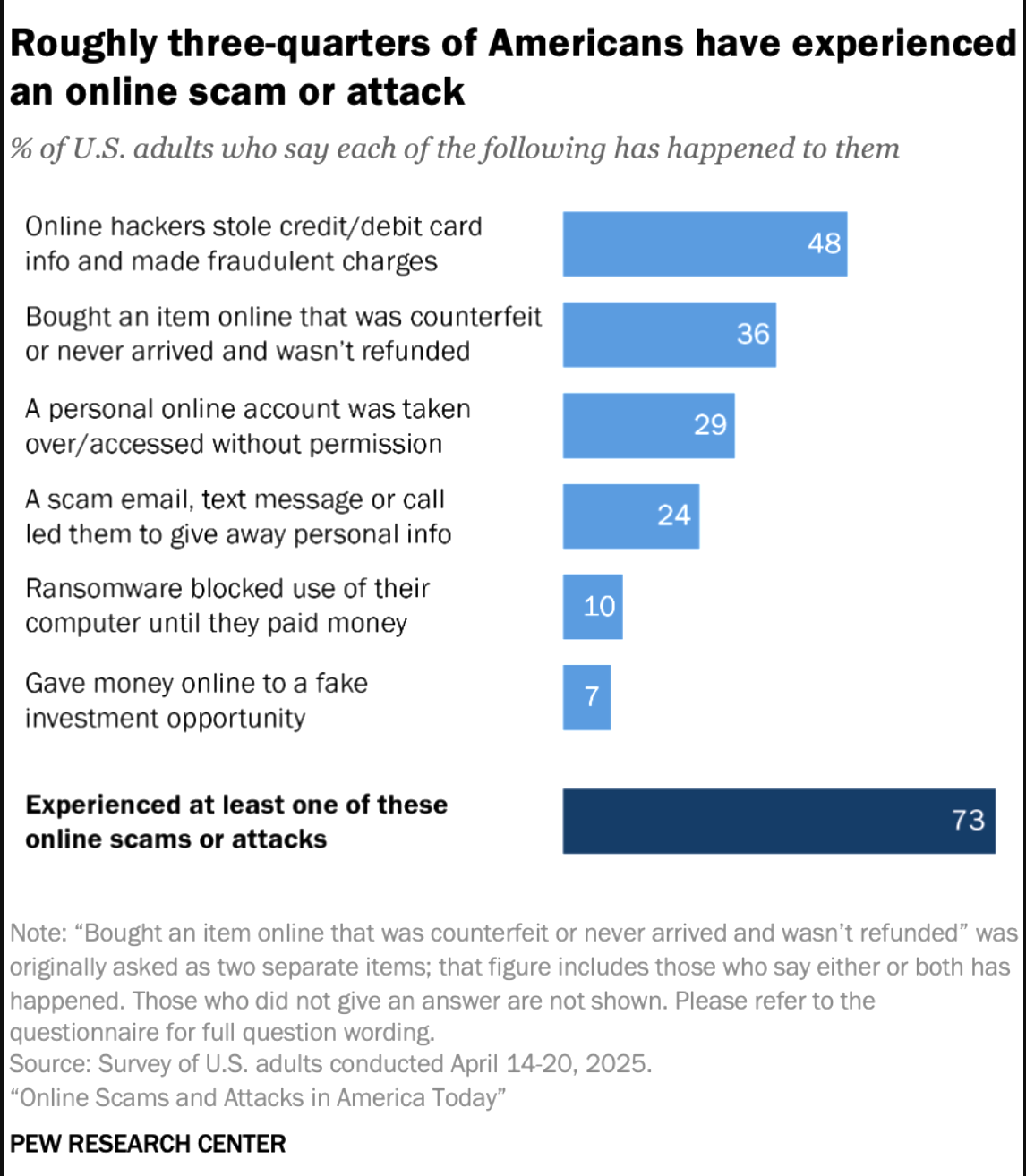
These figures signal the broader fraud environment that emboldens ORC rings exploiting online returns and retail loopholes. Retailers must become proactive and earn a consumer’s trust by fighting back with retail analytics, AI and enhanced privacy. The challenge is tough, as ORC syndicates often use the same AI tools that retailers have been experimenting with.
Retail criminals are only getting savvier with time and technology, targeting the online returns desk, where false claims, mistaken identities, stolen goods and other tactics can find a loophole.
All from a laptop, these criminals leverage AI tools to generate fake receipts and materials in minutes. They once depended on underground counterfeit shops to create fake IDs, receipts, etc. Now, they’re armed with AI and sharing successful tactics with other fraudsters on apps like Reddit and Telegram.
Common AI-driven fraud tactics include:
Ecommerce agents can get tricked, as fraudsters use these materials for multiple claims, too, slightly altering each claim such as spelling out “Street” for one claim and shortening to “St.” for another. Unfortunately, these are just a few of the tactics ORC groups are using, and they work.
A California retailer that worked with my company identified a group of ORC members using fake passports from the Philippines. The criminals created counterfeit receipts, tying them back to the stolen identity of a college student at the University of California, San Diego. The ORC ring attempted more than 1,300 fraudulent returns in the student’s name — targeting multiple locations throughout California. The criminals aimed to defraud the company of $380,000.
Related Article: AI Uncovers the Root Causes of Total Retail Loss
While modern tactics of fraud seem intimidating, defending against ORC is not a lost cause. In fact, California’s ORC task force announced it recovered more than 113,000 stolen items in 2025. The merchandise was worth nearly $6.5 million.
Retailers can have success in the fight against retail crime, notably by deploying intelligent technologies that can detect, predict and limit online fraud. Retailers can also leverage GenAI to work with RFID tags, computer vision cameras and more, helping to identify ORC groups and assist law enforcement.
With GenAI specifically, loss prevention teams can:
Retailers have mountains of data tied to incidents of online fraud and abuse. To accelerate investigations and help uncover potential ORC targets, GenAI and retail analytics are designed to help link cases, discover evidence and develop stronger cases against ORC offenders.
Related Article: How AI Fights $103 Billion in Retail Returns Fraud: Predictive & Generative Solutions
With online retail sales exceeding $300 billion in the US, and growing each year, retailers need to stay vigilant against sophisticated online fraudsters.
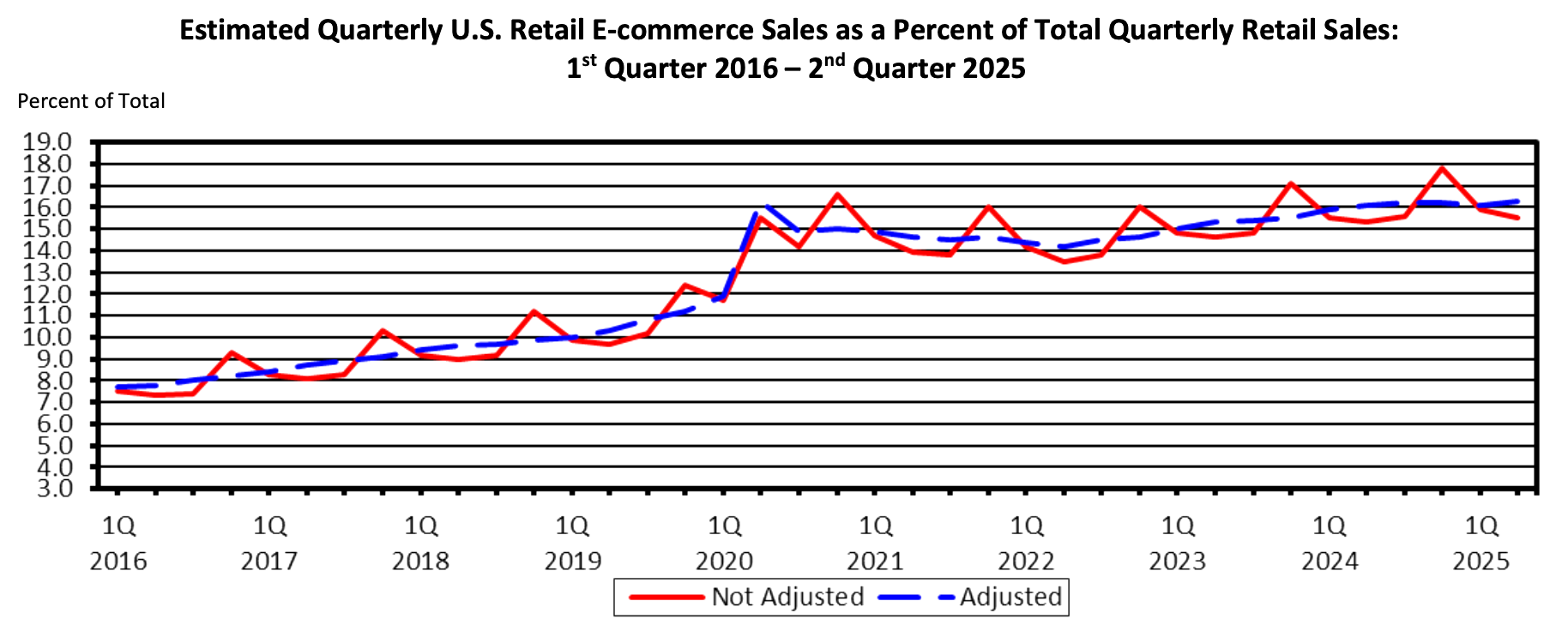
ORC groups continue to exploit loopholes in returns policies and claims — such as creating AI-generated invoices for BOPIS pickups, a tactic that could increase once defined. Yet, with advances in AI, unified data systems and intelligent, connected solutions, retailers have the tools to defend against ORC and dismantle these operations.
 Learn how you can join our contributor community.
Dean Abbott is the chief data scientist of Appriss Retail. With more than three decades of experience, he is an internationally recognized thought leader and innovator in data science and predictive analytics. Connect with Dean Abbott: 