News
Guide
Is AI Making Your Organization More Productive or More Dependent?

OpenAI confidentially filed for an initial public offering (IPO) with the Securities and Exchange Commission on June 8, 2026. The GenAI company, valued at $852 billion post-money as of late March, has been preparing to go public as early as Q4 2026.
The filing arrives one week after Anthropic submitted its own confidential S-1 and days before Elon Musk's SpaceX begins trading. Together, the three companies could produce the largest IPOs on record.
OpenAI also plans a tender offer allowing employees to sell shares at the latest valuation, easing near-term liquidity pressure. Goldman Sachs and Morgan Stanley are advising on the filing.
The confidential filing moves OpenAI closer to public markets, but it does not resolve the questions that surrounded the company before the S-1 was submitted.
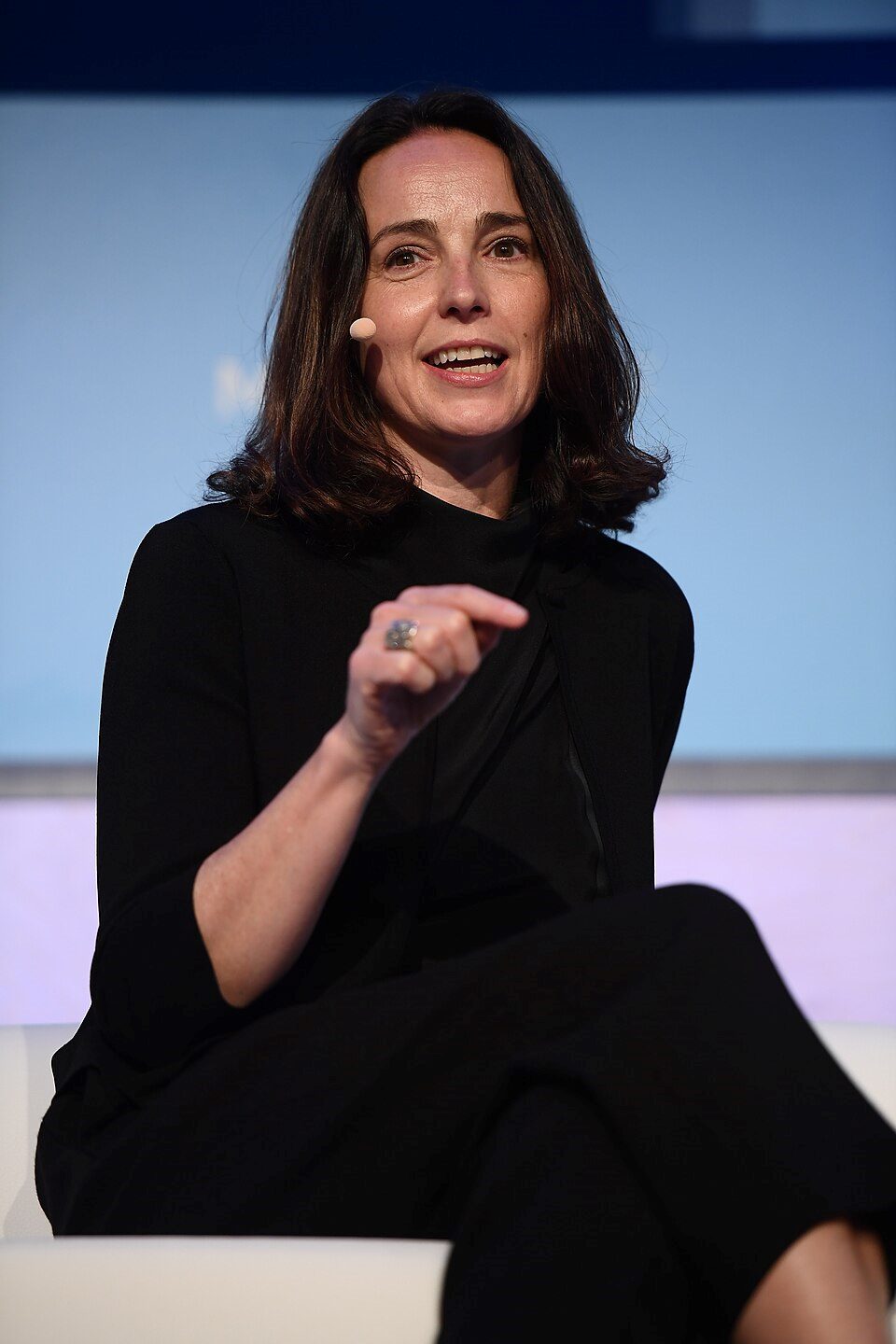
In the months before the filing, OpenAI already faced scrutiny over timing, profitability, regulation and competitive pressure. Reports of internal hesitation, including concerns from CFO Sarah Friar, pointed to doubts about whether the company was ready for public-market discipline.
Profitability remains the biggest issue. Previous reporting indicated OpenAI may not reach profitability until 2029, raising questions about whether frontier AI economics can support an $852 billion valuation. Unlike traditional software companies, AI providers face heavy ongoing compute costs tied to training, inference, infrastructure and product expansion.
Regulatory scrutiny also arrived early. Florida’s attorney general opened a probe into OpenAI ahead of the filing, citing public safety and national security concerns tied to alleged ChatGPT use in a deadly campus attack.
Competition adds another pressure point. OpenAI remains one of the most recognizable companies in generative AI, but Anthropic, Google, Meta, xAI and other rivals are moving quickly across frontier models, enterprise tools and developer platforms.
Those issues now shift from pre-filing speculation to IPO risk factors. OpenAI’s public-market story will need to show not only that demand for AI is enormous, but that the company can turn that demand into sustainable margins and defensible market share.
Related Article: OpenAI’s IPO Faces Questions Before It Even Begins
"AI will soon be capable of extraordinary things. But the point is not the technology by itself. The point is what people can do with it."
- Sam Altman & Jakub Pachocki
In a blog post published after the confidential filing, OpenAI CEO Sam Altman said the company has not decided when to go public and may remain private for some time.
Altman said the S-1 submission gives OpenAI the option to move sooner if that becomes the right path, but noted “there are things we want to do that are likely easier as a private company.”
In a separate post, Altman and OpenAI Chief Scientist Jakub Pachocki outlined what they called the company’s “third phase,” focused on making advanced AI more abundant, affordable, safe and useful across the economy. The company listed three main goals:
Altman and Pachocki said AI systems could perform a “significant fraction” of the company’s research alongside human researchers by March 2028, while also calling for broader safety coordination, public oversight and international cooperation around frontier AI.
For enterprise customers, OpenAI’s IPO filing adds a new layer of scrutiny to an already complicated buying decision.
Companies no longer evaluate ChatGPT and other frontier models only as productivity tools. They’re now heavily weighing usage costs and vendor dependence (with many pushing for complete AI sovereignty), along with various governance controls.
Those priorities have already shaped vendor roadmaps. OpenAI’s enterprise materials emphasize business-data protections and compliance controls, according to its business data privacy materials and ChatGPT residency documentation. Anthropic has taken a similar route with a Trust Center and Compliance API for audit and governance workflows.
The IPO process could raise the stakes. Public investors will want OpenAI to show more predictable revenue and stronger control over the cost of serving AI at scale. Enterprise customers will watch for the tradeoff: more stable products and contracts, but potentially higher committed spend, stricter usage limits and less room for custom experimentation.